
Eltham is a unique marriage between a medieval and Tudor palace and a 1930s millionaire’s mansion. From the 14th to the 16th century it was an important royal palace, where monarchs often stayed and hunted in the surrounding parks.
Henry VIII passed much of his boyhood at Eltham, and was the last monarch to spend substantial amounts of money or time there.
After centuries of neglect, Eltham was leased to Stephen and Virginia Courtauld in 1933, who built an up-to-the-minute house here that incorporated the great hall.
The result was a masterpiece of 20th-century design.
Nestled in Enfield, North London, Capel Manor is a beautiful Georgian house set amongst 30 acres of picturesque gardens.Boasting a rich history that dates back to the 13th century, the estate is home to 40 colourful gardens, a mini zoo, café and Capel Manor College’s Enfield Campus.
The history of Capel Manor charts back to the late 12th century where a chain of complex events and passing of ownership has contributed to the estate as it stands today, as both Capel Manor Gardens and Capel Manor College.
Holkham’s Walled Garden is a fine example of a historic garden, and we’re working hard to maintain and rejuvenate the six acres which were originally laid out by Samuel Wyatt during the late 1700s.
We invite you to step inside and see how the work is progressing. The garden is divided into ‘squares’ and ‘slips’, each with their own theme and associated planting plan.
Learn how we are aiming to use nature on an increasing scale to tackle pests and diseases rather than chemicals.
You’ll also find areas of cover crops, that are planted to help improve the quality of our soils, and plenty of wildflowers in and around the Walled Garden to encourage and support pollinators.
Sissinghurst
Sissinghurst Castle Garden, at Sissinghurst in the Weald of Kent,
was created by Vita Sackville-West, poet and writer, and her husband Harold Nicolson, author and diplomat.
It is among the most famous gardens in England and is designated Grade I on Historic England's register of historic parks and gardens.
Sissinghurst was bought by Sackville-West in 1930, and over the next thirty years, working with, and later succeeded by, a series of notable head gardeners, she and Nicolson transformed a farmstead of "squalor and slovenly disorder" into one of the world's most influential gardens. Following Sackville-West's death in 1962, the estate was donated to the National Trust. It was ranked 42nd on the list of the Trust's most-visited sites in the 2021–2022 season, with over 150,000 visitors.
RHS Wisley
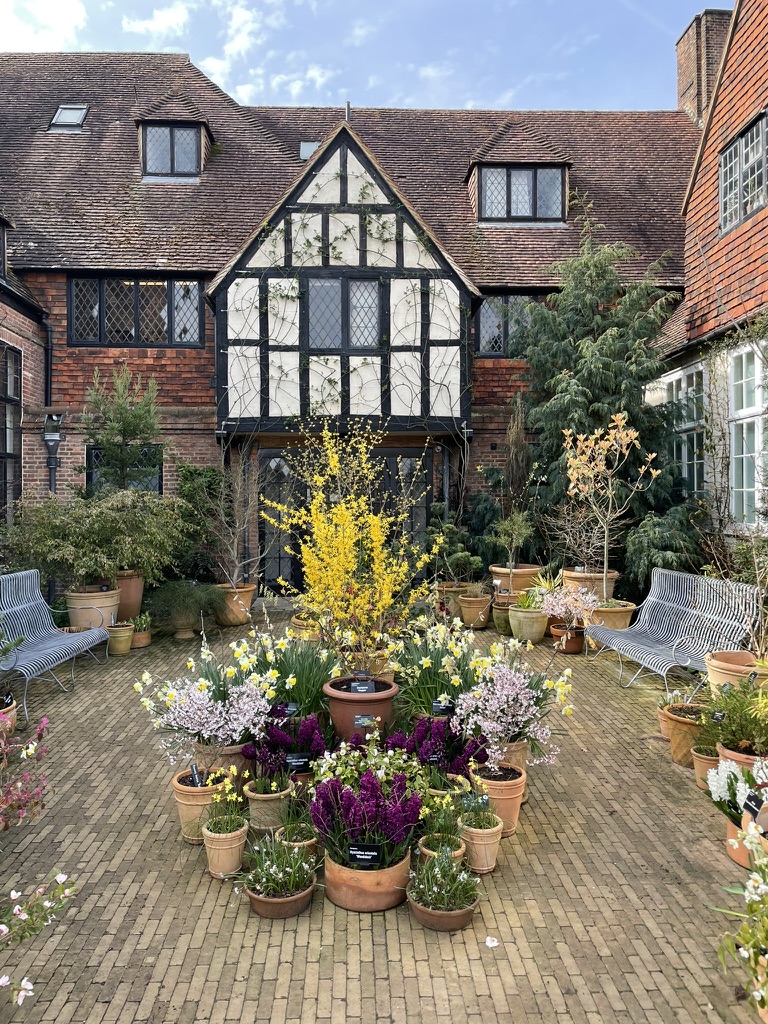
Wisley was founded by Victorian businessman and RHS member George Ferguson Wilson, who purchased Glebe Farm, a sixty-acre- (24 ha) site, in 1878.
There, with assistance from Gertrude Jekyll, he established the "Oakwood Experimental Garden” on part of the site, where he attempted to "make difficult plants grow successfully".
Wilson died in 1902 and Oakwood was purchased by Sir Thomas Hanbury, the creator of the celebrated garden, La Mortola, on the Italian Riviera. He gave the Wisley site to the RHS in 1903.
The society sold its lease on its gardens in Chiswick in March of that year and moved to Wisley in the April.
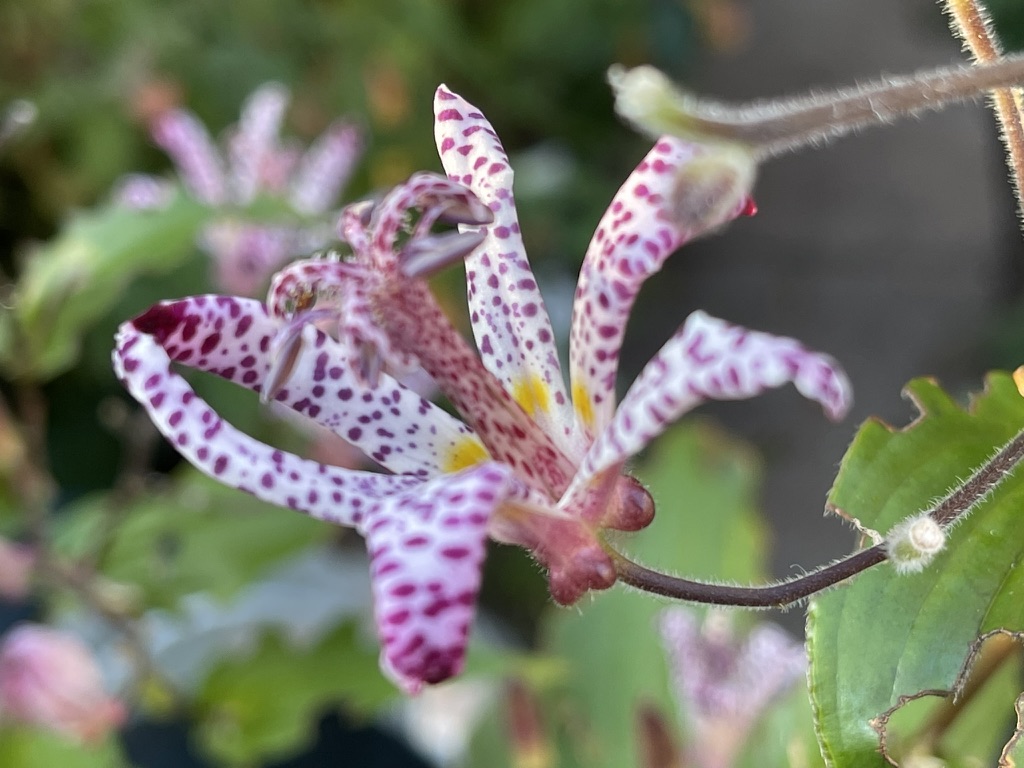
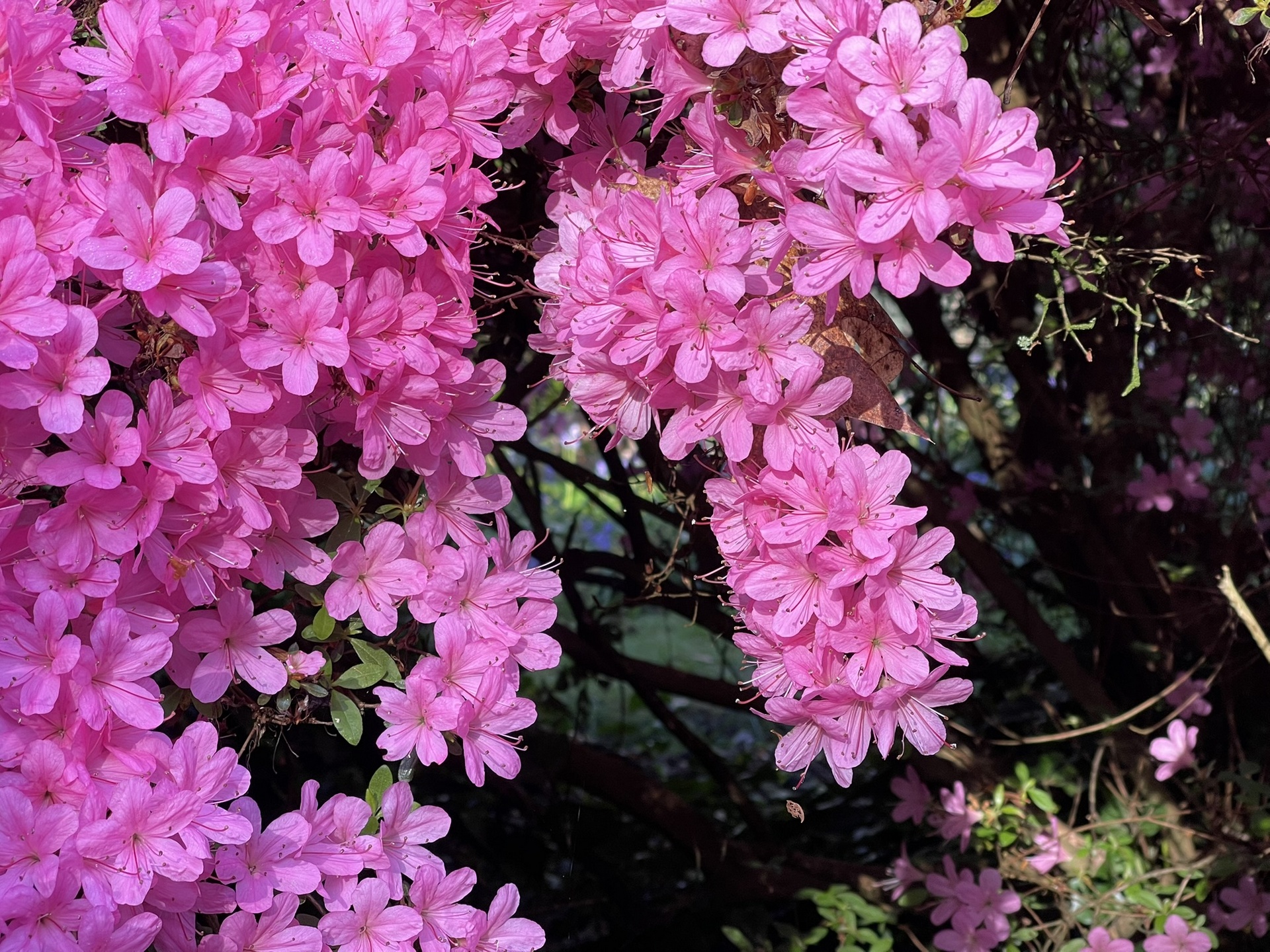
On the edge of Hampstead Heath and surrounded by tranquil landscaped gardens, Kenwood is one of London's hidden gems. The breathtaking interiors and stunning world-class art collection, which includes Rembrandt's 'Self-Portrait with Two Circles', are free for everyone to enjoy. With children's activities, a café to relax in and acres of grounds to stretch your legs, there are treats in store for every visitor.
Botanical naming
The use of Latin nomenclature for plants is internationally accepted.
Botanical names are made up of two or more words derived from Latin (or sometimes Greek).
The first word, always written with an initial capital letter, gives the plant genus, for example, Campanula. This is followed by the specific name, for example, latifolia.
Next comes the varietal name, which may be in Latin (as alba, when referring to a naturally occurring variety); or in the vernacular (as 'Brantwood', when occurring as a cultivated variety or cultivar).
When ordering plants it is important to state the full plant name, such as Campanula latifolia alba or Campanula latifolia 'Brantwood'.
The specific name, which always follows the gender of the genus (-us is masculine, -um neuter and -a feminine), often expresses some characteristic of the plant, its place of origin or the name of its discoverer.
Botanical taxonomy
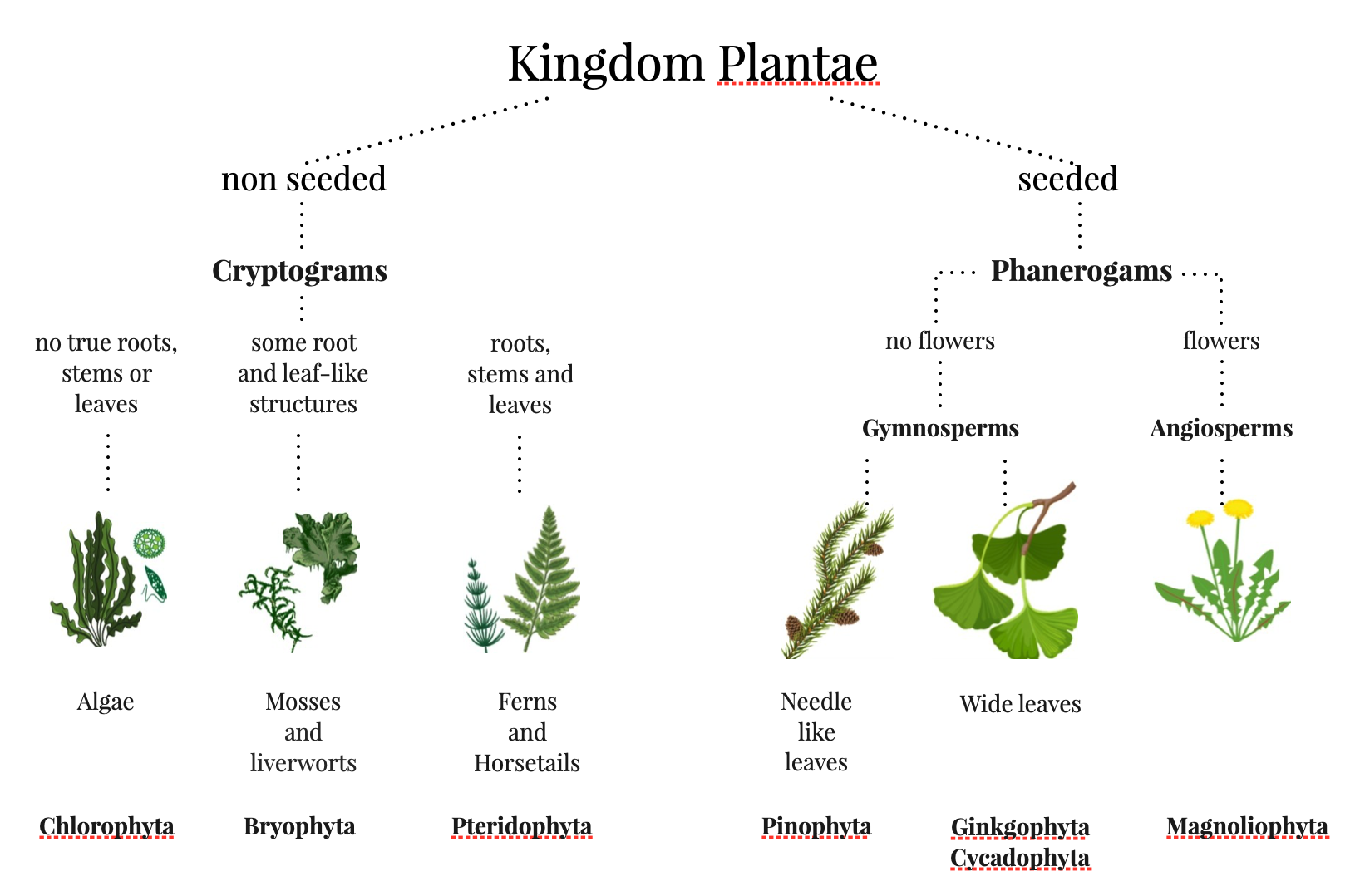
©2022 Let's Talk Science
Colouring your garden
A Basic Guide to Garden Colour
“Colour! What a deep and mysterious language,
the language of dreams.”
— Paul Gauguin
Understanding colour is one of the most powerful tools in a gardener's repertoire.
Whether you're planning a new border, choosing plants for containers, or reimagining your entire garden, knowing how colours work together will help you create spaces that are harmonious, exciting, or perfectly suited to your mood and style.
The Colour Wheel
At the heart of understanding colour is the colour wheel, which organizes colours in a way that shows their relationships. The primary colours are red, blue, and yellow. Between these sit the secondary colours (orange, green, and violet), created by mixing primaries. Beyond these are tertiary colours, which fill in the gaps. For gardeners, you don't need to memorize all of this, but understanding a few key relationships will transform your planting decisions.
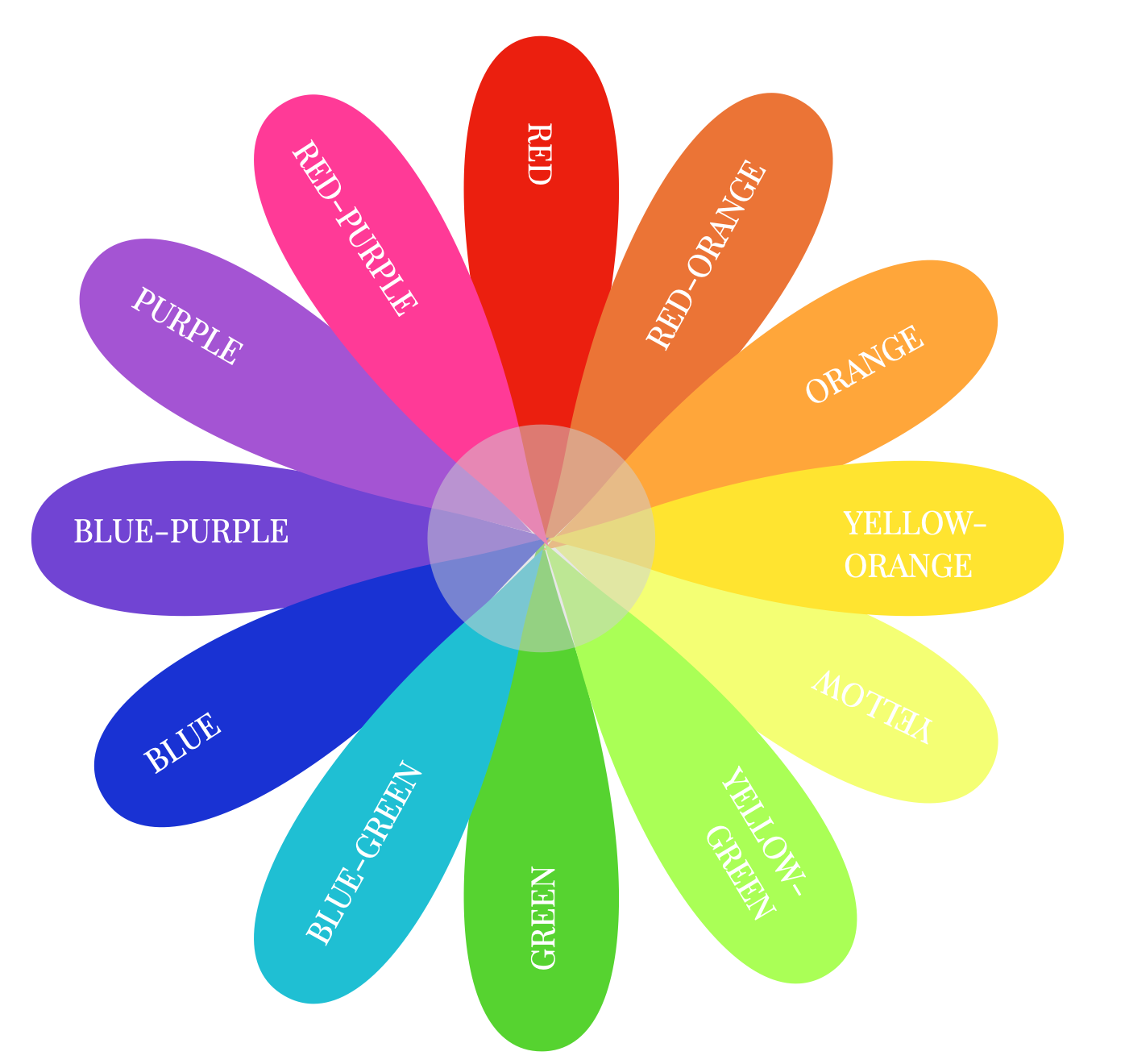
Key Colour relationships
Complementary
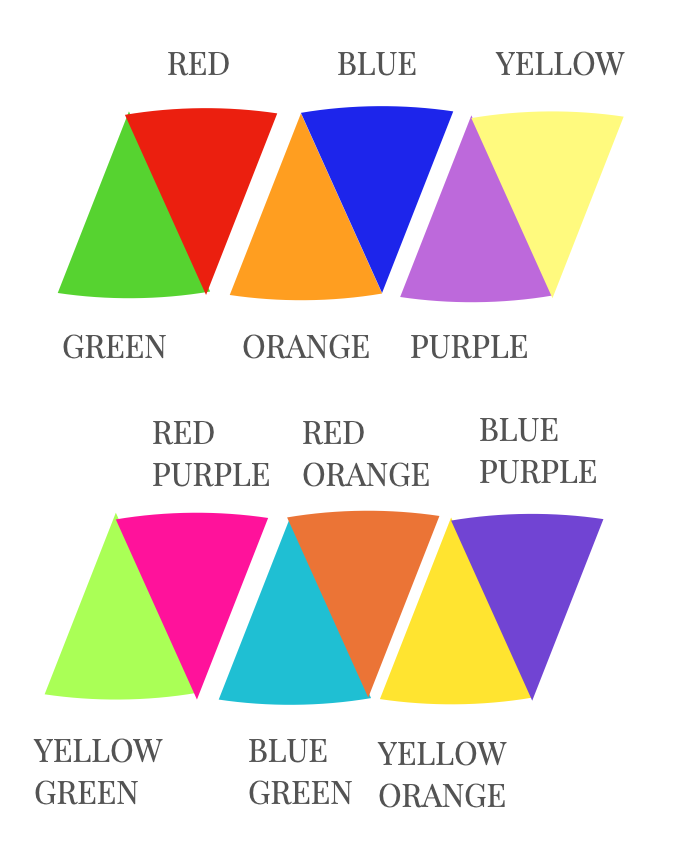
Complementary colours sit opposite each other on the wheel: red and green, blue and orange, yellow and purple. These pairings create vibrant, high-energy combinations. Think of orange marigolds against the blue of forget-me-nots, or purple salvias fronting chartreuse hostas.
These are combinations which really stand out, however they can be overwhelming in large doses.
Analogous colours
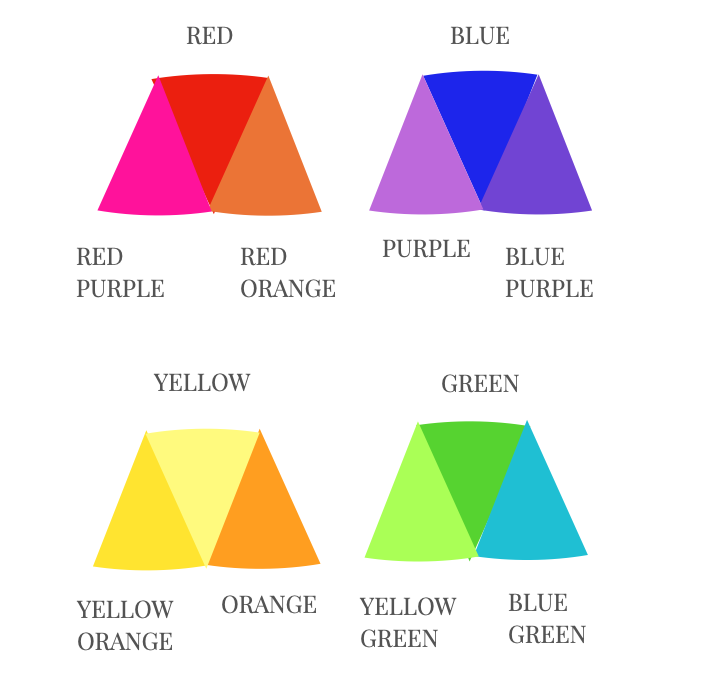
Analogous colours sit next to each other on the wheel: yellow, orange, and red, or blue, violet, and purple. These create harmonious, easy-on-the-eye schemes that feel cohesive and natural. A drift of purple alliums, blue catmint, and violet geraniums flows together beautifully.
Monochromatic

Monochromatic schemes use different shades, tints, and tones of a single colour.
A white garden, for instance, might include cream roses, pure white daisies, and silver-leaved artemisia. These sophisticated schemes rely on texture and form for interest.
Foundational Colour
It is worth remembering that often Green, with its many hues will be the foundational element for colour choices.
Warm and Cool Colours
Colours also have temperature. Reds, oranges, and yellows are warm colours that advance toward you, making spaces feel more intimate and energetic. They're perfect for injecting life into a dull corner or creating a welcoming entrance. Blues, purples, and greens are cool colours that recede, making gardens feel larger and more tranquil. They're ideal for creating restful spaces or making a small garden appear more spacious.
Practical Tips for Using Colour
Start with one dominant colour. Choose a main colour and build around it with accents and neutrals. This prevents the visual chaos that can come from too many competing colours.
Use white and silver as buffers. If you're worried about colours clashing, plants with white flowers or silver foliage act as peacekeepers, separating and harmonizing bolder choices.
Consider foliage, not just flowers. Flowers come and go, but foliage is present for months. The silvery-grey of lavender, the burgundy of heucheras, or the golden tones of some conifers provide long-lasting colour structure.
Think about seasonal progression. Gardens change through the seasons. Spring might be awash with yellows and blues (daffodils and bluebells), while autumn could shift to oranges and reds (crocosmia and dahlias). Plan for this evolution.
Less is often more. Three well-chosen colours repeated throughout a space often work better than a rainbow assortment. Repetition creates rhythm and cohesion.
Light and Aspect
The quality of light in your garden dramatically affects how colours appear. In bright, sunny conditions, pale colours can wash out while strong colours hold their own.
In shade, pale colours glow and bright colours can look garish.
Notice how light falls in your space at different times of day and year.
The backdrop matters too. A red rose against a red brick wall disappears; against a dark yew hedge, it blazes. Consider what's behind your plants.
Trust Your Instincts
Finally, while guidelines are helpful, gardens should bring you joy. If you love a particular colour combination, even if it breaks the "rules," that's perfectly valid.
Remember Colour is very subjective.
Some of the most memorable gardens come from confident, personal colour choices.
Start experimenting, observe what pleases you, and refine as you go. Gardening is forgiving
—if something doesn't work, you can always move it next season.
"I found I could say things with colour and shapes that I could not say any other way"
Georgia O'Keefe
Advanced
Garden Colour application
Want a more comprehensive and practical guide to applying colour in your Garden.
click here